How RERA Compliance Is Affecting Developer Credibility in Mumbai

By
Shrusti Naik
Posted on December 18, 2025. 10 mins
Introduction

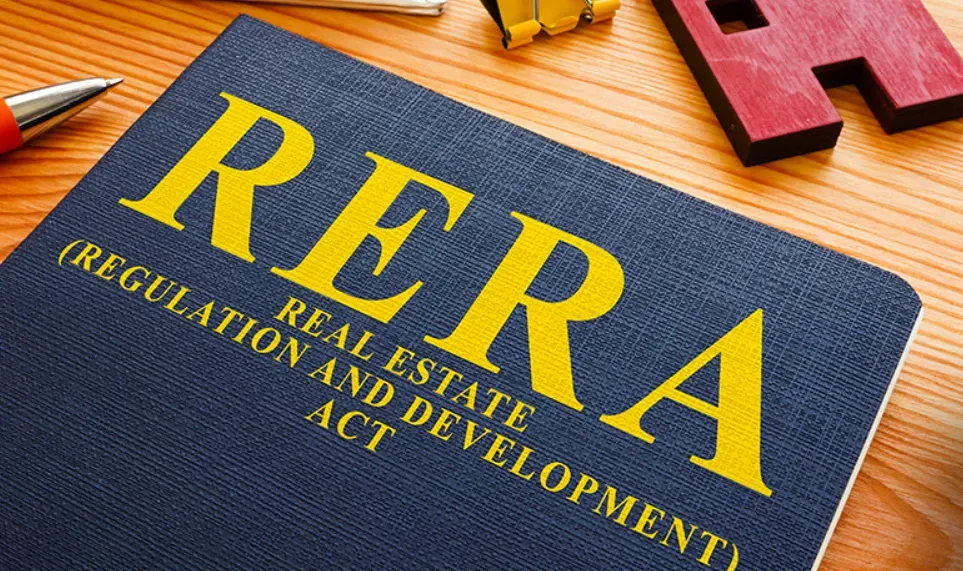
In Mumbai’s dynamic real estate market, where prices often exceed ₹20,000 per sq. ft, trust and transparency are as valuable as location and amenities. The Real Estate (Regulation and Development) Act, 2016 (RERA) was introduced to professionalize India’s property sector, protect buyers and enforce accountability among developers. Five years post-implementation and into 2025, its influence in Mumbai, India’s largest and most scrutinized housing market, is visible not just in compliance checkboxes, but in developer credibility, buyer confidence, and investment decisions.
This article examines how RERA compliance is reshaping developer reputations in Mumbai, using verified data, regulatory context, buyer perspectives, and emerging trends. You might as well read Is It Worth Buying a 1BHK in Mumbai in 2025, or Should I Wait?
How RERA Compliance Is Affecting Developer Credibility in Mumbai
Key Stats (2025, India & Mumbai)
- Mandatory RERA registration for all residential projects exceeding 500 sq. m or more than eight units. :contentReference[oaicite:0]{index=0}
- Developer penalties up to 10% of project cost for non-registration; imprisonment possible for serious repeat violations. :contentReference[oaicite:1]{index=1}
- MahaRERA verified OCs: Only ~136 of 2,600 OC submissions verified in early 2025 audit — highlighting verification challenges. :contentReference[oaicite:2]{index=2}
- Recovery warrants executed: Only 31% collected from defaulting builders, ₹243 crore of ₹760 crore due. :contentReference[oaicite:3]{index=3}
What Is RERA & Why It Matters
At its core, RERA aims to:
- Ensure project transparency (carpet area, approvals, timelines). :contentReference[oaicite:4]{index=4}
- Mandate developer registration for most residential projects. :contentReference[oaicite:5]{index=5}
- Offer grievance redressal and penalties for malpractice. :contentReference[oaicite:6]{index=6}
In Maharashtra, which includes Mumbai, compliance is overseen by MahaRERA, which maintains public project data and enforces timelines and quality standards. :contentReference[oaicite:7]{index=7}
For developers, RERA compliance is no longer optional. It directly affects brand reputation, buyer trust, financing terms, and marketing legitimacy.
How RERA Compliance Drives Credibility
Here are the major ways RERA compliance affects developer credibility in Mumbai:
1. Transparency Builds Buyer Trust
Before RERA, Mumbai’s real estate suffered from opaque disclosures, varied carpet area claims, shifting timelines, and ambiguous legal approvals.
Under RERA, developers must disclose:
- Project map, land title, approvals
- Clear timelines
- Payment schedules
- Escrow account usage rules
This access to verified project data online reduces asymmetric information, a major cause of buyer disillusionment and boosts trust. :contentReference[oaicite:8]{index=8}
Besides, read our Latest Blog on Union Budget 2025.
As one industry analyst noted, improved transparency “helps mitigate speculative sales pitches and strengthens relationships with customers”. :contentReference[oaicite:9]{index=9}
2. Penalties & Enforcement Improve Discipline
In 2025, RERA enforcement has tightened further:
- Non-registration fines: Up to 10% of project cost. :contentReference[oaicite:10]{index=10}
- False advertising penalties: Fines and possible registration suspension. :contentReference[oaicite:11]{index=11}
- Imprisonment: Up to three years for serious contraventions under Section 59. :contentReference[oaicite:12]{index=12}
These strong penalties have narrowed the space for non-compliant builders, shifting credibility toward developers who align with regulations.
Developers who consistently comply gain market trust, a valuable differentiator in Mumbai’s crowded marketplace. :contentReference[oaicite:13]{index=13}
3. MahaRERA Verification Drives Accountability
MahaRERA’s verification efforts such as auditing occupancy certificates (OCs) submitted online, reveal ongoing compliance challenges. Out of about 2,600 OC submissions, only 136 were fully verified by mid-2025. :contentReference[oaicite:14]{index=14}
While verification backlogs persist, such audits push developers toward authenticity and prevent misleading claims, reinforcing real credibility over marketing rhetoric. Also, read our Latest Blog on What Promises Better Returns: Realty or Other Assets.
4. Dispute Redressal Enhances Confidence
RERA’s grievance mechanisms empower homebuyers to take action against defaults in:
- Timeline delivery
- Construction quality
- Contract deviations
MahaRERA is known to adjudicate disputes and enforce defect rectification even years after possession, as in a recent Andheri East structural defect order. :contentReference[oaicite:15]{index=15}
This enforcement capability not only helps affected buyers but establishes regulatory weight that boosts developer credibility when compliance is upheld.
5. Compliance - A Competitive Edge
For developers in Mumbai:
- RERA registration and clean compliance signal professionalism and stability. :contentReference[oaicite:16]{index=16}
- RERA-compliant projects are preferred in institutional and retail investment decisions. :contentReference[oaicite:17]{index=17}
- Brokers and financial institutions often recommend compliance as a baseline for credibility and loan approval confidence.
In effect, RERA compliance has become a brand equity factor, influencing how developers are perceived and chosen in the market.
Developer Credibility After RERA - A Snapshot
| Metric | Pre-RERA | Post-RERA (2025) |
|---|---|---|
| Project transparency | Low | High |
| Penalty enforcement | Weak | Strong (monetary+jail) |
| Buyer redressal access | Limited | Robust |
| Developer trust perception | Speculative | Data-based |
| Escrow fund discipline | Poor | Mandatory use |
Source: Synthesized from RERA regulatory reporting and industry analyses. :contentReference[oaicite:18]{index=18}
Challenges & Limitations
While RERA has reshaped credibility, implementation gaps remain:
- Delayed enforcement: Only ~31% of recovery warrants against defaulting builders have been executed in Maharashtra. :contentReference[oaicite:19]{index=19}
- Verification lags: OC audits show slow compliance verification. :contentReference[oaicite:20]{index=20}
- Homebuyer concerns: A national homebuyers’ group recently flagged gaps in RERA’s protections, urging tighter enforcement. :contentReference[oaicite:21]{index=21}
These issues underscore that regulatory intent and on-ground execution must continuously improve to sustain buyer confidence.
What This Means for Buyers & Investors
For Homebuyers:
- Validate every prospective property’s RERA registration and status online before booking. :contentReference[oaicite:22]{index=22}
- Review progress updates and OC verification status where available. :contentReference[oaicite:23]{index=23}
- Use grievance mechanisms proactively for delays or defects. :contentReference[oaicite:24]{index=24}
For Investors:
- RERA compliance signals lower risk and stronger legal protection. :contentReference[oaicite:25]{index=25}
- Projects with transparent escrow usage and timely updates typically show better resale fundamentals.
Also, Read our Blog on GST on Real Estate.
Conclusion
RERA compliance has evolved from a regulatory requirement to a credibility benchmark for developers in Mumbai. While enforcement challenges remain, particularly in execution and warrant recovery, the Act has fundamentally shifted buyer expectations, strengthened disclosure norms, and created clear legal recourse.
For buyers, RERA compliance is now one of the most important checks before property investment; for developers, it’s a trust signal that distinguishes responsible builders from the rest. As enforcement deepens and digital verification improves in 2025, expect developer credibility to become even more tightly correlated with regulatory alignment and consumer transparency in Mumbai’s real estate market.
Frequently Asked Questions
-
What is RERA and why does it matter?
RERA (Real Estate (Regulation and Development) Act, 2016) mandates project registration, transparency, and accountability to protect homebuyers nationwide. :contentReference[oaicite:26]{index=26} -
Does RERA apply to all projects in Mumbai?
Yes, projects above 500 sq. m or more than eight units must register with MahaRERA before advertising or sale. :contentReference[oaicite:27]{index=27} -
Can developers face jail under RERA?
Yes, serious violations (e.g., non-registration or fraud) can attract fines and imprisonment of up to three years. :contentReference[oaicite:28]{index=28} -
How can buyers check RERA compliance?
Verify project and developer details on the official MahaRERA portal using the project’s unique RERA number. :contentReference[oaicite:29]{index=29} -
Does RERA improve resale value?
Generally, RERA-compliant projects command stronger buyer confidence and can support higher liquidity and resale value due to transparency and legal backing. :contentReference[oaicite:30]{index=30}
References
- MahaRERA Introduction & Mandate – Maharashtra Real Estate Regulatory Authority. Official MahaRERA Introduction Page
- Impact of RERA on Transparency – Financial Express, Nov 2025. ([The Financial Express][1])
- Developers Need RERA Compliance to Build Credibility – Sayba Group. ([Sayba Group][2])
- MahaRERA Verification Drive for OCs – Times of India, Jun 2025. ([The Times of India][3])
- Recovery Warrants Against Defaulting Builders – Times of India, Oct 2025. ([The Times of India][4])
- Developer Defects & MahaRERA Directive in Andheri – Times of India, Nov 2025. ([The Times of India][5])