2025 Outlook: Residential Property Prices in Mumbai’s Western Suburbs

By
Shrusti Naik
Posted on December 2, 2025. 10 mins
2025 Outlook: Residential Property Prices in Mumbai’s Western Suburbs
Introduction

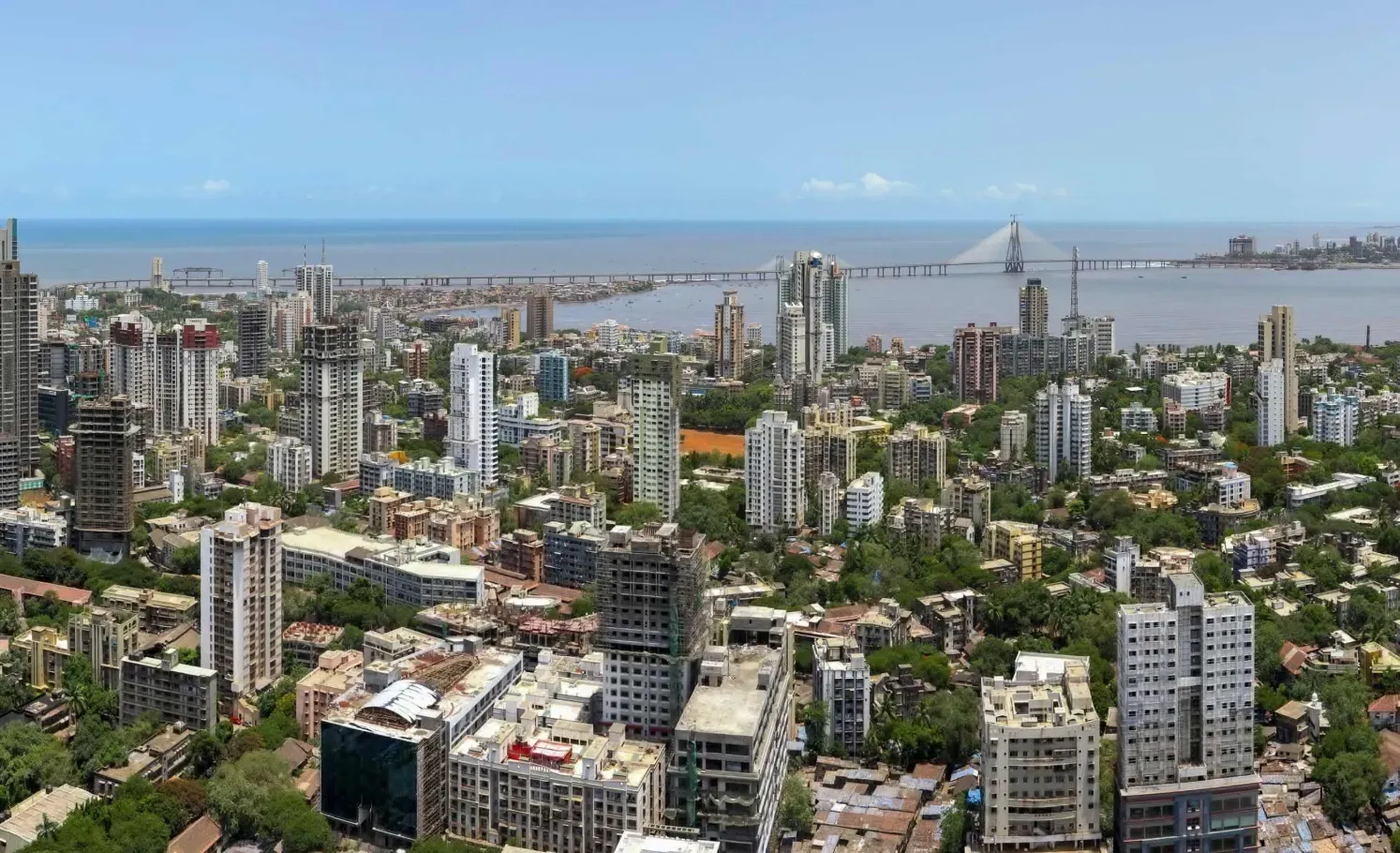
Mumbai’s Western Suburbs, stretching from Bandra to Borivali, have long been a favourite among home buyers and investors seeking a balance of connectivity, amenities, and relative value compared to South Mumbai. In 2025, the spotlight is sharper than ever: rising registrations, renewed redevelopment activity, surging demand, and infrastructure plans together suggest the Western Suburbs may again lead Mumbai’s property story.
But will prices keep rising? Which pockets offer greatest value? And what should home-buyers and investors watch out for? This article explores fresh data, trends, and practical takeaways for anyone tracking or buying in Western Mumbai. Also read, 2BHK in Mumbai: Best Localities for Price & Lifestyle 2025
Where the Numbers Stand in 2025
Current Price Benchmarks
- According to a recent data compilation by Housing.com, the average listed property rate in Western Suburbs stands at ≈ ₹22,484 per sq ft. ([Housing][1])
- Certain areas (likely more premium pockets) still list properties at as high as ₹58,700 per sq ft, reflecting the wide spectrum within the region. ([Housing][1])
- Analysts in mid-2025 estimate mid-segment housing across Mumbai — including significant supply in suburbs — to see 6-8% YoY capital appreciation, with Western Suburbs among major beneficiaries. ([Deminfra][2])
Meanwhile, a 2025 snapshot of overall Mumbai real-estate shows weighted average citywide values at ₹21,318 per sq ft in Q2 2025, up roughly 5% QoQ — indicating that suburbs are roughly in line with, or slightly above, city-average valuations. ([Cushman & Wakefield][3])
Transaction Momentum & Supply Dynamics
- In 2025, Mumbai recorded strong property registration growth. As of November, over 1.35 lakh properties were registered, with Western and Central suburbs accounting for a large chunk of this activity. ([Hindustan Times][4])
- A landmark report by Knight Frank India estimates that by 2030, Western Suburbs will contribute about 73% of the city’s redevelopment-driven housing supply roughly 32,354 new homes from free-sale components alone. ([Business Standard][5])
- This suggests not just organic price appreciation, but also potential supply-side pressure a double-edged sword for investors and buyers.
Also read, What Salary to Afford a 2BHK in Mumbai in 2025
H2: What’s Fueling the Surge
H3: Infrastructure & Connectivity Boost
Mumbai’s ongoing infrastructure push, from metro expansions, improved road networks, to enhanced urban amenities, is significantly improving accessibility in Western Suburbs. Experts highlight that emerging and re-developed micro-markets with better connectivity are drawing strong buyer interest. ([Chhabria Housing][6])
Such upgrades make suburbs competitive alternatives to traditionally pricey South-Mumbai locations, offering a better lived-in value for mid-income buyers.
Redevelopment Wave Changing Supply Dynamics
The redevelopment push across the city, especially through rejuvenation of old housing societies, is a major factor shaping 2025-30 supply. With Western Suburbs leading the charge, many old buildings are being replaced with high-rise modern apartment blocks. ([Business Standard][5])
For buyers, this means newer inventory, better amenities and more choices. For investors, it raises a question: will rising supply moderate price growth, or will sustained demand absorb it? Also read 3BHK vs 2BHK in Mumbai: Which Appreciates More Long Term?
Demand Shift Towards Suburbs, Middle-Segment Homes
With affordability and liveability pressures mounting in central Mumbai, many home-buyers, including working professionals, nuclear families — are shifting focus to suburbs. According to market commentary, demand is fueling mid-segment housing and steady appreciation, making suburbs like those in the western belt attractive. ([AsmitA India Realty][7])
Moreover, with mid-segment being the dominant launch segment in Q2 2025 (≈70%), Western Suburbs stand out as a hotspot for family-oriented buyers. ([MCHI][8])
H2: Where the Value Lies - Sub-Markets & Micro-Markets to Watch
Not all parts of Western Suburbs are equal. Here’s a quick breakdown of micro-markets:
| Locality / Zone | Why It Matters / What to Watch | Typical Price (2025)* |
|---|---|---|
| Malad West / Borivali / Dahisar (outer belt) | Affordable compared to core western nodes, good redevelopment potential, connectivity improving | ~ ₹22,000–24,000 per sq ft ([Housing][9]) |
| Andheri West / Versova / JVLR corridor | Established suburb with strong rental demand, good amenities, near metro / office hubs | ~ ₹29,000–36,000 per sq ft ([JLL Homes][10]) |
| Suburbs undergoing redevelopment (various pockets) | Younger inventory, new projects — potentially lower maintenance / better layouts | Varies: starts lower, often increases after possession |
| Mira-Bhayandar / Peripheral fringe (north-west fringe) | Cheaper per-sqft rates, long-term growth potential, but longer commute & lesser amenities | From lower end levels; higher trade-offs |
*Approximate benchmark rates based on 2025 listings and average data.
Key Insight: Buyers looking for value-for-money often find Malad-Borivali belt attractive. Those seeking resale value, good amenities, or rental yield may prefer Andheri-West or well-connected central western pockets, albeit at higher per-sq-ft cost.
H2: Risks & What Could Temper the Upside
While the outlook appears optimistic, some risks and caveats deserve attention:
- Supply surge through redevelopment — large numbers of new units (as projected by Knight Frank) may create inventory overhang, putting pressure on prices or slowing appreciation.
- Heterogeneity of supply — varying quality: some older buildings, some newly redeveloped; buyer due diligence on structural quality, amenities, and RERA compliance is essential.
- Affordability crunch — with mid- to high-teen per-sq-ft rates, many flats may still remain unaffordable for middle-income buyers, especially factoring in rising interest and home-loan rates.
- Location-specific infrastructure / commute constraints — some outer areas may still lack robust transport, healthcare or schooling access despite price appreciation.
Should You Buy Now - Who Gains, Who Should Wait
For whom 2025 could be a good buying window
- End-user home-buyers seeking mid-segment 2–3 BHKs with good connectivity and future resale potential.
- Investors with medium-term horizon (5–8 years) — areas with redevelopment potential or near new infrastructure may deliver decent appreciation.
- Those seeking balance of price-appreciation and rental yield — in localities like Andheri West or well-connected western pockets.
Who may consider waiting or being cautious
- Buyers dependent on tight budgets / monthly income — given high per-sq-ft rates, entry costs may still be steep.
- Buyers needing immediate occupancy & ready amenities — as many redevelopment projects deliver only by 2027–30.
- Speculators hoping for sharp short-term gains — given supply influx, appreciation may be gradual.
Key Stats – Snapshot 2025
- Average listed rate (Western Suburbs): ₹22,484 per sq ft ([Housing][1])
- Price range in western suburbs: ₹≈12,000 to ₹58,700 per sq ft — wide variation based on location and project type ([Housing][1])
- Mid-segment housing expected YoY price growth: 6–8% (2025) ([Deminfra][2])
- Western Suburbs to account for ~73% of redevelopment-driven new supply in Mumbai by 2030 (~32,354 units) ([Business Standard][5])
Conclusion
In 2025, Mumbai’s Western Suburbs are not just surviving, they’re steadily transforming. Through rising demand, redevelopment momentum, and improved connectivity, the region is poised to remain a core pillar of Mumbai’s real-estate growth.
For home-buyers and investors, this means opportunity but with caveats. Success lies in micro-market selection, realistic expectations, and long-term perspective. Whether you’re seeking a family home or a yield-driven investment, Western Suburbs offers value, but the right parcel may make all the difference.
As Mumbai expands, the “suburbs” may increasingly feel like the city’s new heart.
Frequently Asked Questions
1. Are Western Suburbs still affordable compared to South Mumbai in 2025? Yes, while premium pockets in the western belt command high per-sq-ft prices, many outer suburbs like Malad, Borivali, Dahisar continue to offer comparatively affordable rates (₹22,000–24,000 per sq ft range) versus South Mumbai premium zones. ([Housing][1])
2. Will the wave of redevelopment flood the market and depress prices? It could introduce supply-side pressure. With an estimated 32,354 new homes slated in Western Suburbs by 2030, buyers should expect supply build-up. However, sustained demand, rising population inflows, and improved infrastructure may absorb much of the supply. ([Business Standard][5])
3. Which sub-markets in Western suburbs offer the best balance of price and amenities today? Mid-pockets like Andheri West (or its more accessible adjacent zones), parts of Malad / Borivali for budget balance, and sectors close to transit and upcoming infrastructure tend to offer good balance of value and amenities.
4. What kind of price appreciation can a buyer realistically expect over the next 5 years? Assuming a steady mid-segment growth rate of 6–8% per annum and no major economic disruptions, a 5-year CAGR could translate to 35–47% total appreciation. However, actual returns will depend heavily on micro-location, supply dynamics, and infrastructure follow-through. ([Deminfra][2])
5. Should I buy now or wait for prices to moderate? If you are looking to stay 5–8 years or more, buying now in a well-selected micro-market makes sense, waiting might bring better supply, but could push prices up with inflation and rising costs. If you are price-sensitive and open to mid-term supply fluctuations, waiting until post-redevelopment wave (2027–30) could offer value.
References
- “Property Rates in Western Suburbs, Mumbai,” Housing.com (2025) ([Housing][1])
- “Mumbai Residential MarketWatch H1 2025,” Savills Research (2025) ([Savills PDF][11])
- “Mumbai Real Estate Market Analysis 2025: Trends & Opportunities,” Sobha (Oct 31 2025) ([SOBHA Limited][12])
- “Real Estate Appreciation Rate in Mumbai,” Deminfra (Oct 2025) ([Deminfra][2])
- “Mumbai Property Market 2025 - Weighted Average Capital Values,” Cushman & Wakefield Q2 2025 Report ([Cushman & Wakefield][3])
- “Western Suburbs to lead Mumbai redevelopment supply to 2030,” Knight Frank India (Sep 2025) ([Business Standard][5])
- “Top Performing Micro-Markets: Western Suburbs launches Q2 2025,” MCHI (Aug 2025) ([MCHI][8])
- “Why Mumbai Property Prices Are Expected to Rise 2025–2030,” Sobha Blog (Nov 2025) ([SOBHA Limited][13])
- “This locality saw a 46% property price rise in 3 years,” Economic Times (Jul 2025) - for suburban growth comparison outside Western Suburbs ([The Economic Times][14])