Undervalued Mumbai Micro-markets with Hidden Resale Potential

By
Shrusti Naik
Posted on December 9, 2025. 10 mins

Micro-markets in Mumbai You’re Ignoring but Offer Strong Resale Potential
Introduction
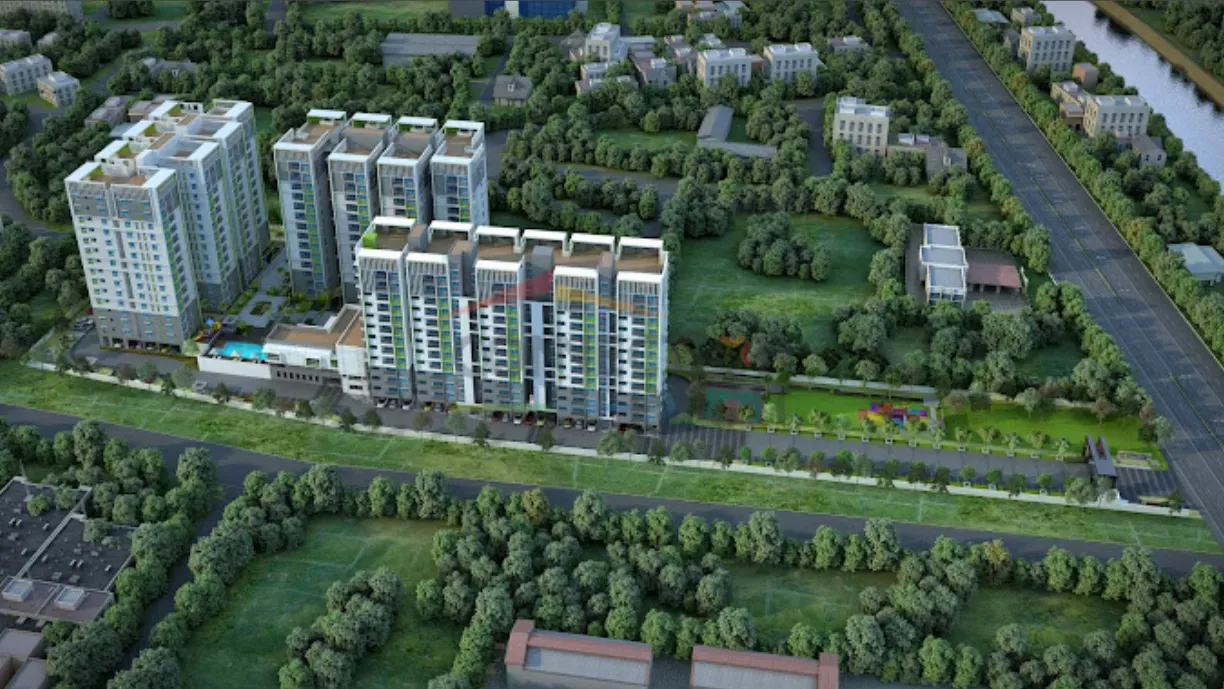
When you think of Mumbai real estate, names like South Mumbai, Bandra, Worli or Andheri often dominate the conversation. Yet beneath the glitzy skyline lies a quieter, less-noticed side of the city, micro-markets that still trade at far lower per-square-foot rates but are quietly building strong resale potential.
As urban sprawl, rising infrastructure investment, and a growing population reshape Mumbai’s housing demand, suburbs and peripheral zones are increasingly becoming hubs of opportunity. For investors and homebuyers willing to look beyond the marquee addresses, these “under-the-radar” micro-markets may offer the best value-for-money: lower entry cost, improving connectivity, and reasonable resale/rental demand.
In this article, we identify five such micro-markets with strong potential, analyse what’s driving their growth, and show what buyers should check before investing.
What you read could easily define the next 5- to 10-year value of your property.
What Determines Resale Potential in a Mumbai Micro-market
Before diving into the areas, it helps to clarify why some micro-markets outperform others. Here are key factors that tend to drive resilience and upside in such pockets:
- Affordability relative to central zones — lower price per sq. ft. improves entry and buyer pool.
- Steady infrastructure & connectivity upgrades — metro lines, road links, transit options raise accessibility.
- Ongoing supply and redevelopment activity — brings modern housing stock and improves overall living standards.
- Balanced demand from end-users and tenants — driven by middle-income professionals, families, working class.
- Urban migration and shifting work patterns — hybrid work, expanded job markets outside core CBDs.
These factors together can make a micro-market both affordable and resilient — a sweet spot for long-term investment.
Five Micro-Markets to Watch in Mumbai (2025)
Here are five promising micro-markets worth attention in 2025, along with what works in their favour and what to watch out for.
| Micro-market | Why It’s Gaining Traction | Typical Price Range / Recent Trends* | |||||
|---|---|---|---|---|---|---|---|
| Thane | Well-developed suburb with improving infrastructure; ideal for mid-segment housing | ~₹19,800/sq ft (mid-2025) — up ~46% in 3 years ([MCHI][1])-segment traction; good value relative to central suburbs East / Malad / Western Suburbs’s Outer Belt** | Emerging IT/office hubs, metro & highway access, redevelopment potential amid established suburbs turn0search6turn0search19turn0search16 | Outer western pockets remain more affordable; redevelopment under way , improving regional infrastructure and connectivity 0search14turn0search7 | Predominantly mid-premium segment with upward trend Suburbs–MMR** | Part of Mumbai’s extended growth corridor; potential from infrastructural expansion and more affordable pricing turn0search21 | Attracting investor interest for long-term value growth segment (₹2–5 crore) is recording strong traction in places like Thane, Chembur, and Navi Mumbai, thanks to a combination of sustainable pricing and improved infrastructure. |
Read Mumbai Real Estate Prices 2025: Western Suburbs Outlook
2. Infrastructure, Connectivity & Redevelopment
Metro lines, widened highways, and improved transport networks are changing commute patterns. Western Suburbs — historically popular — continue to benefit from redevelopment of older societies into modern high-rises. In such areas, established social infrastructure (schools, hospitals, shopping) plus transit connectivity ensure balanced growth instead of speculative spikes. ([jugyah.com][2])
3. Shift in Buyer / Tenant Profile
Mumbai’s growing workforce, middle-class families, working professionals, young couples, increasingly demand reasonably priced homes with good connectivity and convenience, not just luxury. Micro-markets like Goregaon East, Chembur, or Thane fit this need with 2 BHK/3 BHK flats, steady supply, and rising workplace decentralization. ([Chhabria Housing][3])
4. Supply Balance & Manageable Inventory
According to a 2025 summary, suburbs including Navi Mumbai and Thane dominate the launch of new housing units. The supply mix, notably in mid-segment housing, ensures that demand is not merely speculative; it is backed by genuine homebuyers, which helps sustain resale potential. ([MCHI][1])
Pros & Cons: What You Gain — What to Watch
Advantages
- Lower entry cost compared to premium zones; better affordability even for mid-level budgets.
- Growing connectivity & infrastructure, reducing commute pain and enhancing livability.
- Balanced demand from end-users & tenants — not limited to luxury segment only.
- Potential for appreciation over 5–10 years as area maturity increases.
- Diverse choice: compact 1–2 BHK for affordability, 2–3 BHK for family stay, higher options for upgrading.
Risks / Things to Check
- Infrastructure timelines: Metro, highway expansions or civic improvements may be delayed — affecting price growth.
- Saturation in redevelopment zones: Some western pockets expect large new supply; oversupply may moderate price rise. ([jugyah.com][2])
- Quality & builder credibility: As many projects emerge, ensure proper due diligence, RERA compliance and construction quality.
- Liquidity & resale demand: Peripheral zones may see slower resale or rental demand until connectivity and amenities stabilize fully.
How to Choose Smartly: What to Evaluate Before Investing
When evaluating a micro-market, consider the following checklist — these determine whether you’re buying value or just speculating:
- Transport connectivity: metro access, railway / road links, proximity to transit hubs.
- Social infrastructure: schools, hospitals, retail, green spaces, civic amenities.
- Developer reputation & RERA registration (for new projects / redevelopment units).
- Supply-demand balance: avoid markets with excessive unsold inventory.
- Long-term demand drivers: job hubs nearby, emerging commercial zones, migration trends.
Think of real estate in these micro-markets as akin to buying a mid-cap stock rather than a marquee blue-chip — higher growth potential, but demand for research, patience, and timing. Also read, What Salary to Afford a 2BHK in Mumbai in 2025
What the Data Says: Key Stats (2025 Snapshot)
- Micro-markets in suburbs and extended zones of Mumbai now represent the bulk of new launches — in Q3 2025, suburbs accounted for 62–65% of new residential units citywide. ([Cushman & Wakefield][4])
- Suburbs and satellite zones like Thane and Navi Mumbai lead in growth: Thane’s average residential rates rose from ~₹13,550/sq ft (H2 2022) to ~₹19,800/sq ft by mid-2025 — a 46% increase over 3 years. ([The Economic Times][5])
- Mid-premium housing (₹2–5 crore) shows strong demand traction in Chembur, Navi Mumbai, Thane — indicating demand beyond the luxury or budget segments. ([SOBHA Limited][6])
Who Should Consider These Micro-markets?
- First-time homebuyers with limited budgets but ambition for a long-term home — these areas offer space, affordability, and growth potential.
- Young professionals and small families who value connectivity and liveability but may not afford premium zones.
- Investors looking for long-term appreciation with moderate risk, especially those eyeing 5–10 year horizons.
- Individuals seeking rental income — stable demand from working professionals makes outer suburbs ideal for rentals.
FAQs (Frequently Asked Questions)
Q1: Are micro-markets truly better value, or just cheaper now? Micro-markets offer lower per-sq ft prices compared to central or premium zones; but what makes them “better value” is improving connectivity, regular supply, balanced demand, and a growing population base. Over 5–10 years, many will see appreciation — as data from Thane suggests.
Q2: Will infrastructure delays derail the value growth? Delays can slow momentum — that’s why buyer diligence is crucial. Always check planned timelines, builder track record, and demand-supply balance. But unlike speculative projects, many suburbs already have basic infrastructure in place, reducing risk.
Q3: Is resale demand strong or is it mostly for end-users? Both. As more people move to suburbs for affordability and quality-of-life, resale demand is increasing — especially from families and working professionals. Additionally, rental demand supports yield for investors.
Q4: Which micro-market gives best rental yield now? Suburbs like Thane, Chembur, Goregaon East (with decent connectivity) show healthy rental demand given affordability and commuting convenience.
Q5: How to ensure I invest in a legitimate project (not speculation)? Verify RERA registration, check builder history, visit the site, inspect accessibility, social infrastructure and demand outlook. Avoid off-plan projects in zones with uncertain demand or unrealistic valuations.
Conclusion

Mumbai’s real-estate story is no longer confined to oligarch-favourite neighbourhoods or glitzy high-rises. A quieter transformation is underway, in suburbs, micro-markets, and fringe zones — fuelled by affordability, infrastructure growth, redevelopments, and changing buyer preferences.
For investors and homebuyers who look beyond hype, suburbs such as Thane, Chembur, Goregaon East, Panvel/Navi Mumbai, and pockets in the extended Eastern or Western peripheries offer a compelling proposition: lower entry cost today, and strong resale potential tomorrow.
As with all investments, the key lies in patient choice, informed decision-making and due diligence. If done right, these largely ignored micro-markets could well be the dark horses of Mumbai’s real-estate future.
References
- Mumbai Residential Real Estate Market Q2 2025: Transforming the Urban Housing Landscape — MCHI Report, Aug 2025 ([MCHI][1])
- India 2025 Real Estate Outlook — Sobha Research, Oct 2025 ([SOBHA Limited][6])
- Mumbai’s Fastest-Growing Suburbs: Where Smart Investors Are Buying — Dynamix Group, May 2025 ([Dynamix Group][7])
- Top High-Growth Areas in Mumbai (2025 Trends) — A2Z Realtors Guide, 2025 ([a2zrealtors.in][8])
- Mumbai Residential Markets: Prices, Trends & Forecasts 2025 — UniMont Realty, 2025 ([unimont.in][9])
- Western Suburbs 2025: Price Spectrum & Redevelopment Trends — Jugyah.com, Dec 2025 ([jugyah.com][2])
- Which Areas in Mumbai Offer the Highest ROI for Property Buyers — Housiey, Nov 2025 ([Housiey][10])
- Real Estate Market Trends 2025 – MoneyTree Realty Report ([MoneyTree Realty][11])
- This Locality in Mumbai Saw 46% Property Price Rise in 3 Years — Economic Times, Jul 2025 ([The Economic Times][12])
- Best Places to Invest in Mumbai 2025 — The Propertist, Feb 2025 ([thepropertist.com][13])