Tallest Building in India: Complete List & Upcoming Skyscrapers 2026

By
Komal Duggar
Posted on January 6, 2026. 10 mins
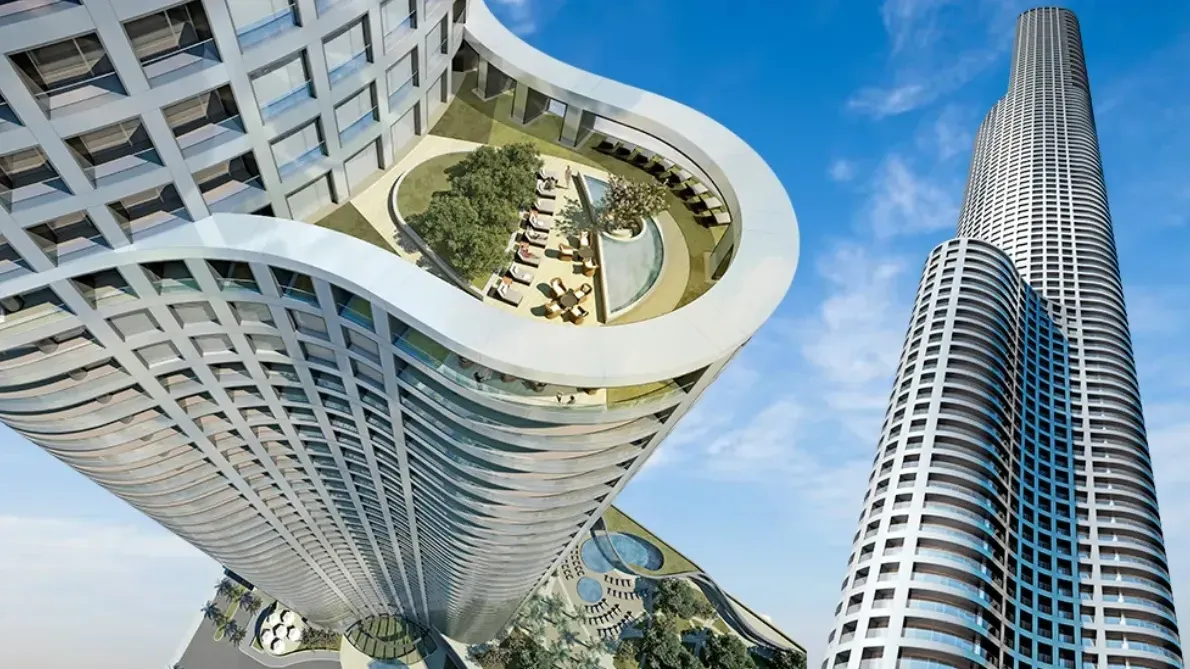
Tallest Buildings in India: Complete List and Upcoming Skyscrapers in 2026
India’s urban fabric is rapidly transforming skyward. With land scarcity and escalating demand for premium housing and commercial spaces, Indian cities, especially Mumbai, have embraced vertical development with vigour. From Mumbai’s iconic Palace-like residential giants to future megaprojects in the pipeline, this comprehensive guide lists India’s tallest buildings (completed and under construction) as of 2025–26, explains the drivers of this trend, and highlights what’s next in vertical architecture.
Key Stats (2025–26)
| Metric | Value / Highlight | Source |
|---|---|---|
| Tallest completed building in India (2025) | Lokhandwala Minerva – 301 m | Wikipedia (Tallest Buildings list) :contentReference[oaicite:0]{index=0} |
| Tallest topped-out (but not fully complete) | Palais Royale – ~297.5 m | Wikipedia (Palais Royale) |
| Total skyscrapers (>150 m) in Mumbai | ~106 skyscrapers | Indian Express (global ranking data) |
| Cities with vertical growth | Mumbai, Delhi-NCR, Hyderabad, Bengaluru | Wikipedia (Tallest Buildings in India) |
| Leading under-construction supertall project | Ocean Towers 1 & 2 – ~331 m | Novatr (construction list) |
Why Skyscrapers Matter in India
In global cities, height is a proxy for premium real estate value and efficient land use. In India, vertical growth responds to high population density, rising incomes, and constrained land availability in major metros. Mumbai, with one of the highest population densities in the world, naturally leads the country’s skyscraper boom. The Council on Tall Buildings and Urban Habitat (CTBUH) defines buildings over 150 m as skyscrapers, and India now boasts hundreds of such structures, with the majority clustered in the Mumbai Metropolitan Region (MMR).
Tallest Completed and Topped-Out Buildings (2025)
The table below showcases India’s tallest completed and topped-out buildings as of late 2025, ranked by architectural height (excluding antennae or masts where possible):
| Rank | Building | City | Height (m) | Floors | Status |
|---|---|---|---|---|---|
| 1 | Lokhandwala Minerva | Mumbai | 301 m | 78 | Completed |
| 2 | Palais Royale* | Mumbai | ~297.5 m | 84 | Topped-Out (2026) |
| 3 | Piramal Aranya Arav | Mumbai | 282 m | 83 | Completed |
| 4 | World One | Mumbai | 280.2 m | 76 | Completed |
| 5 | World View | Mumbai | 277.6 m | 73 | Completed |
| 6 | Wadhwa 25 South A | Mumbai | 270 m | 65 | Structurally complete |
| 7 | Wadhwa 25 South B | Mumbai | 270 m | 65 | Structurally complete |
| 8 | Lodha Park Adrina | Mumbai | 268 m | 78 | Topped-Out |
*Note: Palais Royale remains structurally topped-out but interior/completion delays have pushed full delivery into late 2026.
Key Geography Insight: Mumbai dominates reputed lists with 9 of the top 10 tallest buildings, underscoring its role as India’s skyscraper capital.
Major Under-Construction Skyscrapers (to Watch by 2026–30)
While the tallest completed structures define today’s skyline, several super-talls under construction are poised to surpass existing records. As of 2025, notable developments include:
| Project | City | Planned Height (m) | Floors | Estimate |
|---|---|---|---|---|
| Ocean Tower 1 & 2 | Mumbai | ~331 m | 74 | 2030 |
| Sugee Empire Tower | Mumbai | ~311 m | 67 | 2028 |
| Aaradhya Avaan Tower 1 | Mumbai | ~307 m | 80 | 2028 |
| Century IT Park | Mumbai | ~300 m | 70 | 2025 |
| Aaradhya Avaan Tower 2 | Mumbai | ~295 m | 77 | 2028 |
| Trump Towers Delhi NCR 1 & 2 | Gurugram | ~199 m | ~47 | 2026 |
| Codename Peaklife Towers | Bengaluru | ~231 m | 58 | 2027 |
| SAS Crown Tower 1 | Hyderabad | ~234 m | 58 | 2026 |
Some projects, like Ocean Towers, when completed, could set new benchmarks for India’s skyline, reflecting demand for super-luxury residential living and integrated commercial spaces.
City-Wise Vertical Growth in India
Mumbai: Undisputed Leader
Mumbai commands India’s skyscraper narrative. With over 106 buildings exceeding 150 m, the city accounts for a significant share of the nation’s tall structures and exemplifies the commercial + residential vertical boom.
This trend has been shaped by factors including:
- Land scarcity and high land costs in core areas.
- Premium residential demand, particularly from HNI and NRI buyers.
- Redevelopment policies that encouraged higher Floor Space Index (FSI) and height permissions in non-airport zones.
Delhi-NCR, Hyderabad, and Bengaluru
While Mumbai leads, other cities are catching up:
- Delhi-NCR has seen vertical projects like Trump Towers with mixed residential/ commercial typologies.
- Hyderabad and Bengaluru show notable under-construction skyscrapers, evidencing South and South-central India embracing height in residential planning.
However, the absence of supertall structures (300m+) beyond Mumbai highlights the unique combination of demand, regulation, and historic density in the western metropolis.
Regulations and Urban Planning Considerations
India’s vertical development is influenced by regulatory frameworks that balance growth with safety and aviation constraints:
- Maharashtra State and Municipal Approvals: Height clearances are conditioned on fire safety, wind engineering studies, and compliance with the Airports Authority of India (AAI), especially in coastal metros like Mumbai.
- FSI Rules: Adjustments to Floor Space Index norms enabled developers to build taller structures in parts of Mumbai and other metros, subject to premium charges.
- Green & Sustainable Development Standards: Some skyscrapers (e.g., Palais Royale) integrate eco-friendly designs and energy benchmarking, aligning with global LEED norms.
These norms aim to ensure that vertical growth does not compromise urban resilience, safety, or sustainability.
Challenges Facing Tall Skyscrapers
- Completion Delays & Litigation: Projects like Palais Royale illustrate how legal/administrative delays can push completion timelines, affecting buyers and investors.
- Cost Overruns: High construction costs and materials inflation raise entry prices for buyers.
- Infrastructure Strain: Expanding vertical zones necessitate upgrades in transit, water, power, and emergency services.
Still, the economic rationale for skyscrapers remains strong in dense Indian cities where horizontal expansion is constrained.
Conclusion
India’s skyline evolution embodies the country’s urban aspirations—combining global architectural trends with local market imperatives. As of 2025–26, Mumbai not only claims the tallest buildings but continues to define the benchmarks for supertall and luxury high-rise living. Meanwhile, cities like Delhi-NCR, Hyderabad, and Bengaluru contribute meaningfully to India’s vertical growth story. Under-construction projects, such as the Ocean Towers and Sugee Empire Tower, are poised to reshape the skyline by 2030 and beyond.
For policymakers, developers, and buyers alike, India’s skyscraper trajectory suggests an era where height equals opportunity—but one that must be balanced with regulation, infrastructure planning, and sustainable urbanization.
FAQs
1. What is the tallest building in India in 2025?
The tallest completed building in India as of late 2025 is Lokhandwala Minerva in Mumbai, standing at 301 m with 78 floors.
2. Is Palais Royale taller than Lokhandwala Minerva?
Yes, Palais Royale in Worli, Mumbai has a structural height of about 297.5 m and 84 floors, and though topped out, its full completion is expected in late 2026.
3. Which cities in India have the most skyscrapers?
Mumbai leads by far with over 100 buildings taller than 150 m, followed by Delhi-NCR, Hyderabad, and Bengaluru.
4. What is a supertall building?
In architectural terms, a supertall building is typically over 300 m in height. India’s supertall initiatives include upcoming Ocean Towers in Mumbai.
5. Are there tall buildings outside metro cities?
References
- List of tallest buildings in India — Wikipedia, updated May 2025.
- Tallest buildings completed in India — SkyscraperCenter database (2025).
- Lokhandwala Minerva Details — Lokhandwala Minerva (Wiki).
- Palais Royale, Mumbai — Wikipedia (status & completion).
- Under-construction tall buildings — NovaTR (2025).
- India’s skyscraper rankings — Indian Express (2025 world list).
- Top tallest India buildings list — HouseGyan (2025 rankings).