South Mumbai Post-2024: Luxury Residential Revival
By
Shrusti Naik
Posted on December 16, 2025. 10 mins
Luxury Residential Revival in South Mumbai Post-2024: Trends & Numbers
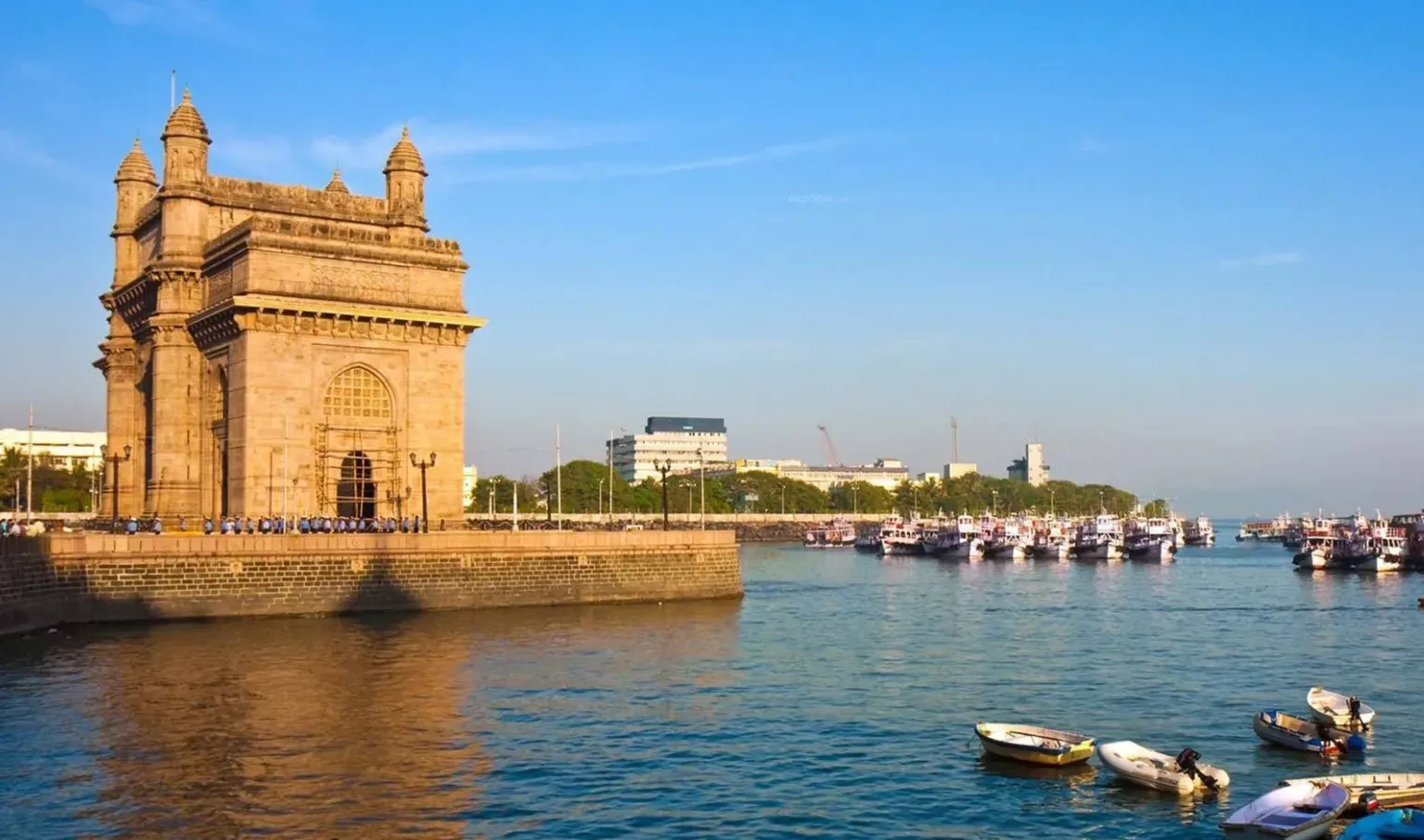
South Mumbai the historic heart of India’s financial capital, has long been synonymous with opulence, heritage addresses, and ultra-premium real estate. Post-2024, the luxury housing segment here saw not just stability, but a notable revival driven by renewed buyer confidence, strong investment demand, and limited supply that continues to buoy prices. This data-driven explainer examines how this revival has unfolded, what’s pushing prices, and what luxury homebuyers and investors should watch in 2025.
Key Stats: South Mumbai Luxury 2025
| Metric | Latest Figure / Range |
|---|---|
| Average luxury price (South Mumbai) | ₹52,500–₹1,01,000 per sq. ft. (2025) ([SOBHA Limited][1]) |
| Luxury flat prices in key areas | ₹1.2 L–₹1.8 L per sq. ft. ([HomeSharp][2]) |
| Luxury sales value (Mumbai) | ₹14,750 cr in H1 2025 (luxury segment) ([The Economic Times][3]) |
| Mumbai global rank in prime markets | 6th globally (luxury inclusion) ([SOBHA Limited][4]) |
South Mumbai luxury remains among India’s most expensive residential markets, consistently outperforming broader city averages and drawing both domestic ultra-high-net-worth individuals (UHNWIs) and institutional interest.
What Defines “Luxury” in South Mumbai
In the Mumbai context, luxury residential typically refers to:
- Price per square foot well above city averages — often ₹1.2 L–₹1.8 L/sq. ft in South Mumbai micro-markets such as Malabar Hill, Marine Drive, Walkeshwar, and Cuffe Parade. ([SOBHA Limited][1])
- Ticket sizes that often exceed ₹20 crore for sea-facing or premium large-format homes. ([HomeSharp][2])
- Limited inventory and high entry barriers due to land scarcity and heritage zoning. ([SOBHA Limited][1])
Whether it’s a sea-facing penthouse on Marine Drive or a heritage mansion near Malabar Hill, luxury homes in South Mumbai are as much status symbols as they are real estate assets.
Post-2024 Revival: What the Data Shows
1. Price Performance and Resilience
Despite broader economic uncertainties in 2024–25, South Mumbai’s luxury values held firm and displayed measured appreciation:
- Average prices between ₹52,500 and ₹1,01,000 per sq. ft in 2025 — a level that stays among the highest residential scales in India. ([SOBHA Limited][1])
- Ultra-luxury flat prices, especially in sea-facing localities, regularly exceed ₹1.2 L per sq. ft — with many projects pacing toward ₹1.8 L per sq. ft. ([HomeSharp][2])
In contrast to segments elsewhere in Mumbai where new launches have slowed (down ~19% QoQ in Q3 2025 across the city), luxury inventory has been relatively scarce and stable, supporting price resilience. ([Cushman & Wakefield][5])
2. High-Value Transactions Rising
South Mumbai’s luxury revival is not just theoretical, it’s reflected in real transactions:
- Record sales in the luxury segment (homes priced ₹10 cr+) reached ₹14,750 crore in the first half of 2025, the highest for a half-year period. ([The Economic Times][3])
- High-profile purchases, such as Bollywood producer Sajid Nadiadwala’s company buying luxury apartments in Prabhadevi for ₹36.57 crore, exemplify real demand among wealthy buyers. ([The Times of India][6])
These numbers indicate that capital-rich buyers are actively participating in luxury real estate, supporting a stable transactional environment.
Drivers of South Mumbai’s Luxury Revival
1. Land Scarcity & Heritage Premium
South Mumbai’s limited developable land underpins luxury pricing. Heritage precincts such as Altamount Road — known globally as India’s “Billionaires’ Row” — command extraordinary valuations due to scarcity and prestige. ([Wikipedia][7])
This structural constraint means that new supply is rare, giving existing luxury stock pricing power even when broader segments cool.
2. Strong Global & Domestic Demand
Mumbai’s luxury market ranks within the top 10 prime housing markets globally in 2025, attracting not just local wealthy buyers but also Non-Resident Indians (NRIs) and investors seeking safe, appreciating assets. ([SOBHA Limited][4])
Moreover, Mumbai’s role as India’s financial capital, home to multinational executives and affluent households, fuels consistent demand for heritage and trophy properties. ([SOBHA Limited][8])
3. Infrastructure & Redevelopment Catalysts
Infrastructure upgrades (such as the Coastal Road and Metro expansions) enhance connectivity, making luxury micro-markets more accessible. ([SOBHA Limited][8])
At the same time, redevelopment of old luxury apartments and standalone bungalows in premium belts, often replacing them with modern high-end towers, adds fresh, aspirational stock to the market.
Locality Spotlight: South Mumbai Luxury Hubs
Below is a snapshot of key luxury micro-markets in South Mumbai — each with distinct characteristics:
| Locality | Avg Price (₹/sq. ft) | Unique Features |
|---|---|---|
| Malabar Hill | ₹95,000–₹1,00,000+ ([SOBHA Limited][1]) | Historical luxury, sea views |
| Altamount Road | ₹1,00,000+ ([SOBHA Limited][1]) | Ultra-premium “Billionaires’ Row” |
| Marine Drive | ₹80,000–₹95,000 ([SOBHA Limited][1]) | Iconic sea boulevard |
| Cuffe Parade / Walkeshwar | ₹80,000–₹95,000+ ([SOBHA Limited][1]) | Peninsula living, connectivity |
| Prabhadevi | ₹70,000–₹90,000+ ([HomeSharp][2]) | Central luxury, famous buyers |
Interpretation: These prices reflect enduring premium valuations that remain robust even amid broader market cycles. The concentration of wealth, scarcity of supply, and global appeal make South Mumbai’s luxury enclaves unique.
Buyer Profile Trends (Post-2024)
Domestic HNWIs
High-net-worth individuals (HNWIs) from finance, technology, and entrepreneurial sectors continue to view South Mumbai properties as store-of-value assets. Urban elites prefer ready inventory or prime redevelopment stock over distant suburban alternatives. ([SOBHA Limited][8])
NRI Interest
NRIs, especially those from the UK, Middle East, and North America, have shown sustained interest in trophy homes in South Mumbai, contributing to demand even as global luxury markets fluctuate. ([SOBHA Limited][4])
Redevelopment Seekers
Buyers are increasingly favouring “new-build luxury”, modern apartments with expansive layouts and contemporary amenities, over older stock. This has boosted redevelopment volumes and pre-sales in high-end corridors. ([The Economic Times][9])
Valuation & Return Analytics
In 2025:
- South Mumbai luxury appreciates modestly yet consistently, with some sea-facing segments seeing 3–5% annual gains despite broader economic headwinds, according to market reports. ([SOBHA Limited][1])
- Large ticket transactions, especially ₹10 cr+ deals, now contribute a growing portion of total Mumbai property value, reinforcing the segment’s relevance. ([SOBHA Limited][4])
Note: Luxury homes’ appreciation should be viewed not only through price per sq. ft but also their liquidity and scarcity premiums, which often sustain long-term value.
Potential Challenges Ahead
Slowdown in New Launches
Data from industry trackers suggests a decline in new residential launches in Mumbai by ~19% in Q3 2025 compared to earlier quarters — a trend that could extend to luxury due to constrained supply and cautious developer sentiment. ([Cushman & Wakefield][5])
Macro Scenario
While India’s overall home prices are forecast to continue modest growth (~6% annually), some analysts suggest that the luxury boom may temper over the next few years as supply balances with demand. ([Reuters][10])
Conclusion
The luxury residential revival in South Mumbai post-2024 stands out as a distinct market phenomenon characterized by:
- Premium price resilience despite economic volatility
- Strong transactional activity, particularly in high-net-worth brackets
- Scarcity-driven demand that supports both capital values and lifestyle appeal
- Strategic infrastructure developments that maintain the region’s desirability
For buyers and investors alike, South Mumbai continues to represent a top-tier luxury real estate destination, one where heritage, scarcity, and demand converge to sustain long-term value.
Frequently Asked Questions
1. Why is South Mumbai considered India’s most expensive residential market? South Mumbai’s constrained land supply, legacy luxury neighbourhoods, and sustained high demand push average luxury prices above ₹52,500–₹1,01,000 per sq. ft., among the highest in India. ([SOBHA Limited][1])
2. Has luxury housing demand weakened after 2024? Data indicates that while broader segments slowed, luxury sales, especially ₹10 cr+ transactions, recorded record volumes in H1 2025. ([The Economic Times][3])
3. Are sea-facing properties pricier than inland luxury stock? Yes, sea views and coastal addresses in areas like Marine Drive consistently command premium premiums. ([SOBHA Limited][1])
4. Do NRIs invest in South Mumbai luxury real estate? Yes, Mumbai ranks among the top 10 global prime housing markets in 2025, attracting both domestic and NRI buyers. ([SOBHA Limited][4])
5. Should investors expect luxury prices to rise further? Most forecasts anticipate steady appreciation, although supply constraints and macro conditions may moderate growth. ([Reuters][10])
References
- “South Mumbai Real Estate 2025: Price Trends, Best Areas …,” Sobha.com (Oct 31, 2025). ([SOBHA Limited][1])
- “Mumbai Real Estate Market Analysis 2025: Trends & Opportunities,” Sobha.com (Oct 31, 2025). ([SOBHA Limited][8])
- “Luxury Flat Price Trends in Mumbai 2025,” HomeSharp.com (Aug 22, 2025). ([HomeSharp][2])
- “Mumbai Among Top 10 Prime Housing Markets in 2025,” Sobha.com (Sept 25, 2025). ([SOBHA Limited][4])
- “Mumbai Real Estate MarketBeat Report Q3 2025,” Cushman & Wakefield. ([Cushman & Wakefield][5])
- “Residential Real Estate MMR — ICRA Report” (Mar 2025). ([ICRA][11])
- “Mumbai Property Registrations Hit 7-Year High,” Piramal Realty Blog (Oct 31, 2025). ([Piramal Realty][12])
- “Suraj Estate Developers Q2 Pre-Sales Up 42% YoY,” Economic Times (Oct 28, 2025). ([The Economic Times][9])
- “Mumbai’s Luxury Real Estate Sales Worth ₹14,750 Cr,” Economic Times (Jul 22, 2025). ([The Economic Times][3])
- “Sajid Nadiadwala Buys Luxury Apartments in Prabhadevi (Oct 2025),” Times of India. ([The Times of India][6])