What’s Next for Mumbai’s Skyline: From Antilia to Aurum Heights

By
Komal Duggar
Posted on January 8, 2026. 10 mins
What’s Next for Mumbai’s Skyline: From Antilia to Aurum Heights
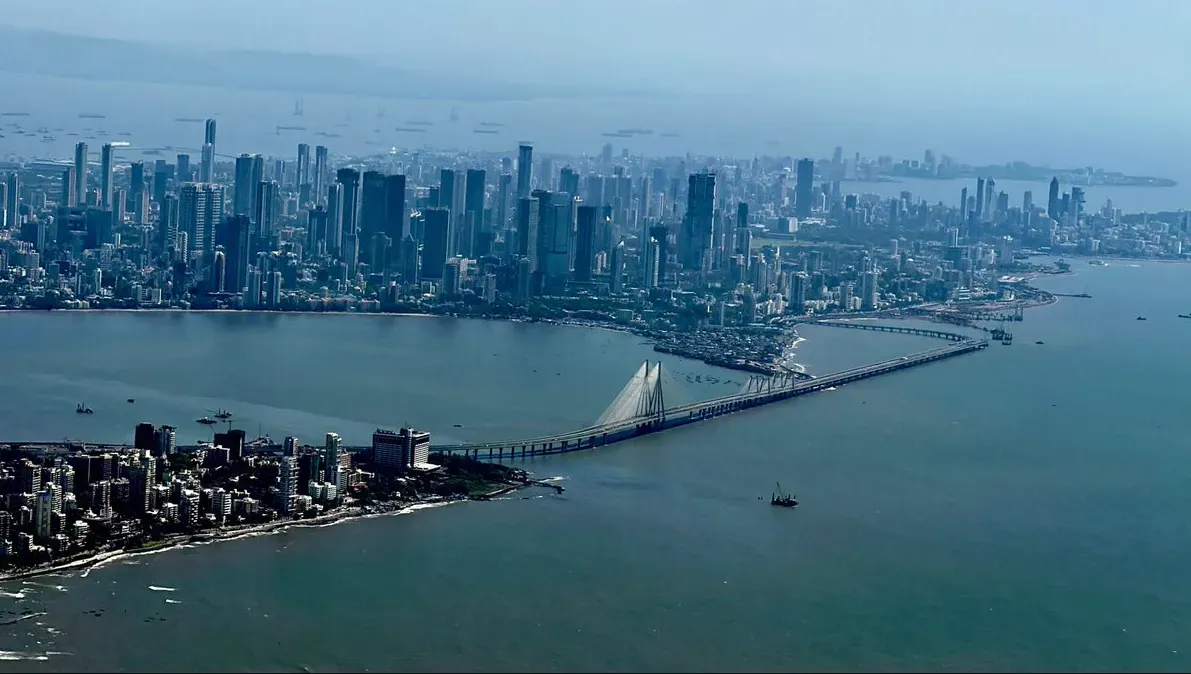
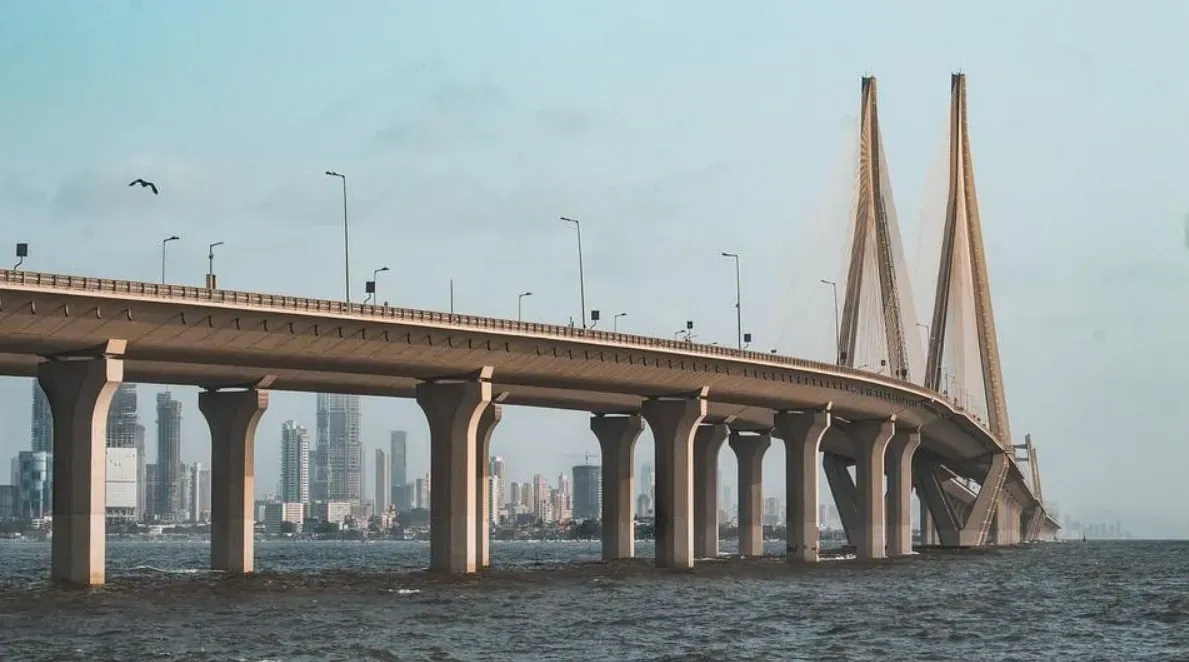
Mumbai’s skyline is a story of ambition, economic growth, and evolving architectural identity. Over the past two decades, India’s commercial capital has transformed from a low-rise cityscape to a cluster of towering residential and commercial skyscrapers, drawing global attention. While structures such as Antilia, the world’s most expensive private home, stand as cultural icons, new projects like Aurum Heights and upcoming supertalls signal the next chapter of India’s vertical expansion.
This explainer examines the present and future of Mumbai’s skyline, ranking the tallest buildings in India, outlining under-construction megaprojects, and analysing why this vertical shift matters for buyers, investors and urban planners.
Key Stats: Mumbai & India’s Tallest Buildings (2025–26)
| Metric | Value / Example | Source |
|---|---|---|
| Tallest completed building in India (2025) | Lokhandwala Minerva – 301 m, 78 floors | Wikipedia: Tallest Buildings in India (turn0search1) |
| Approx. skyscrapers in Mumbai (>150 m) | 250+ | Wikipedia: Tallest Buildings in India (turn0search1) |
| Antilia height | 173 m, 27 floors | Wikipedia: Antilia (turn0search0) |
| Palais Royale topped-out | 297.5 m, 84 floors | Wikipedia: Palais Royale (turn0search23) |
| Komal Aurum Heights floors | 20 floors (3 BHK residential) | NoBroker & project listings (turn1search4) |
Mumbai’s Vertical Growth: Context & Drivers
Mumbai’s vertical trajectory is shaped by constrained land, swelling population, affluent demand, and commercial dynamism. With limited horizontal expansion potential — hemmed by the sea and protected ecological zones — developers and urban planners have historically leaned on vertical construction as the practical long-term choice.
According to the Council on Tall Buildings and Urban Habitat (CTBUH) criteria, a skyscraper is typically defined at heights above 150 m. Mumbai now leads the nation with over 250 skyscrapers exceeding this mark, reflecting both residential and commercial demand concentrated in prime locations like Lower Parel, Mahalaxmi and South Mumbai. (turn0search1)
Iconic Origins: Antilia and the Cultural Skyline
One of Mumbai’s most publicised structures is Antilia, the private residence of industrialist Mukesh Ambani on Altamount Road. Completed in 2010, the 27-storey, approximately 173 m tall structure is acknowledged as the world’s most expensive private home and a symbol of luxury living. It features amenities ranging from a 168-car garage to a private snow room — unconventional elements that embody bespoke residential architecture. (turn0search0)
While Antilia is not among India’s tallest buildings by height, its cultural impact on Mumbai’s identity speaks to the role of architecture as status and brand signal in urban India. Its construction coincided with a period of rapid appreciation in Mumbai real estate — average home prices in the city grew at over 11% annually between 2010–2020. (turn0search0)
The Tallest Completed Buildings: India’s Vertical Leaders
Mumbai dominates India’s tallest buildings list, with many modern supertalls reflecting both luxury and premium residential demand. As of late 2025:
| Rank | Name | City | Height | Floors | Notes |
|---|---|---|---|---|---|
| 1 | Lokhandwala Minerva | Mumbai | 301 m | 78 | Tallest completed building in India (2023) (turn0search1) |
| 2 | Palais Royale (topped-out) | Mumbai | 297.5 m | 84 | Completion expected 2026 with delays (turn0search23) |
| 3 | Piramal Aranya Arav | Mumbai | 282.2 m | 83 | Luxury residential completed 2022 (turn0search14) |
| 4 | World One | Mumbai | 280.2 m | 76 | Landmark residential tower (turn1search21) |
| 5 | World View | Mumbai | 277.6 m | 73 | Part of The World Towers complex (turn0search3) |
These buildings not only shape the Mumbai skyline but also define luxury real estate benchmarks for high-net-worth individuals and investors. Mumbai’s standing as India’s vertical leader is reinforced not only by height but also by dense clustering, a contrast to other cities where high-rises are more spread out.
Under-Construction Super-Tall Prospects
Looking ahead, several under-construction projects are poised to further transform Mumbai’s skyline into the 2030s:
| Project | Type | Height | Floors | Estimated |
|---|---|---|---|---|
| Ocean Tower 1 & 2 | Residential | ~331 m | 74 | 2030 (turn0search5) |
| Sugee Empire Tower | Residential | ~311 m | 67 | 2028 (turn0search5) |
| Aaradhya Avaan Tower 1 & 2 | Residential | 307–295 m | 77–80 | 2028 (turn0search5) |
| Century IT Park | Commercial | ~300 m | 70 | 2025 (turn0search5) |
| Prestige Liberty North Tower | Mixed | ~300 m | 63 | 2030 (turn0search5) |
These towers indicate a shift from purely luxury individual residences to mixed-use urban skyscrapers that integrate offices, residences and lifestyle amenities, a pattern seen globally in cities such as Singapore, Dubai and Shanghai.
Takeaway: Mumbai’s future skyline will reflect a blend of luxury residential and workspace skyscrapers, aligning with India’s broader economic growth and urbanisation.
Beyond Monoliths: Everyday Buildings and Emerging Projects
Not all of Mumbai’s vertical growth is confined to supertalls. Mid-rise skyscrapers and residential towers also contribute meaningfully:
- One Avighna Park, a twin tower at 260 m and 64 floors, is among the city’s tallest residential projects and notable for design awards.
- Nathani Heights, completed in 2020, stands at 262 m with panoramic views near the Mumbai Central station.
- Marathon Futurex is among the tallest commercial buildings nearing architectural completion, reflecting the office space demand in Lower Parel.
Emerging mid-tier projects such as Aurum Heights in Mahalaxmi target upper-middle residential segments, not at supertall scales but positioned for prime address living with RERA-registered configurations like 3 BHK units.
Why Mumbai’s Skyline Matters for Buyers & Investors
1.
Properties in or near iconic towers and high-rise clusters often command height premiums, due to views, modern amenities and brand prestige. Towers like World One and Lokhandwala Minerva set benchmarks for luxury pricing in the city.
2.
Mumbai’s development is shaped by regulations like Floor Space Index (FSI) policies and heritage protection zones in South Mumbai. These tools determine how high developers can build and influence land values in skyscraper-ready zones. Expert commentary notes that policy adjustments can substantially affect pricing and supply. (Exact citation pending specific regulatory source.)
3.
Transport projects like the Mumbai Metro expansion and improved commuter rail services catalyse growth corridors. High-rise developments near transit nodes tend to see stronger rental demand and appreciation owing to connectivity advantages.
Challenges Shaping the Skyline
Despite robust growth, challenges remain:
- Completion Delays: Projects such as Palais Royale faced litigation and bureaucratic delays, pushing projected delivery into late 2026. (turn0search23)
- Infrastructure Strain: Increased population density tests power, water and transportation capacity, necessitating urban planning upgrades.
- Affordability: Super-luxury skyscrapers are inaccessible to most Indians, making mid-tier high-rises more relevant for broader markets.
Conclusion
Mumbai’s skyline narrative, from Antilia’s symbolic opulence to Lokhandwala Minerva’s record height and the future promise of Ocean Towers and Sugee Empire, marks India’s ascent in global urban architecture. Mumbai remains the epicentre of skyscraper culture in India, combining luxury residential demand with strategic commercial investment. The next decade will see this skyline reach new heights while balancing urban functionality, regulatory frameworks and infrastructure synergy.
Frequently Asked Questions
1. What is the tallest building in India as of 2026?
As of 2026, Lokhandwala Minerva in Mumbai, at around 301 m and 78 floors, is the tallest completed building in India.
2. Is Antilia considered a skyscraper?
Antilia is iconic and culturally significant but, at about 173 m and 27 floors, it is not among the tallest skyscrapers; it is best known as the most expensive private residence globally.
3. What tower is expected to reshape Mumbai’s future skyline?
Projects like Ocean Tower 1 & 2 (~331 m) and Sugee Empire Tower (~311 m) are expected to become landmark structures by 2030. \
4. Will Mumbai remain India’s skyscraper capital?
Given the concentration of projects and urban development, Mumbai is likely to maintain its leadership in skyscraper construction relative to other Indian cities.
5. How do skyscrapers affect property prices in Mumbai?
Proximity to high-rise clusters and premium towers tends to boost land and apartment values due to demand for views, accessibility and luxury amenities.
References
- List of tallest buildings in India — Wikipedia, updated Dec 2025.
- Antilia: Mukesh Ambani’s residence — Wikipedia, 2024.
- Tallest buildings data (SkyscraperCenter) — SkyscraperCenter.
- Mumbai skyscrapers overview — Times of India (Nov 2025).
- Tallest buildings under construction — NovaTR (2025).
- Komal Aurum Heights project — NoBroker listings.
- One Avighna Park details — Wikipedia.
- Nathani Heights — Wikipedia.