How Metro & Airport Connectivity Is Redrawing Navi Mumbai Property Map

By
Shrusti Naik
Posted on December 5, 2025. 10 mins
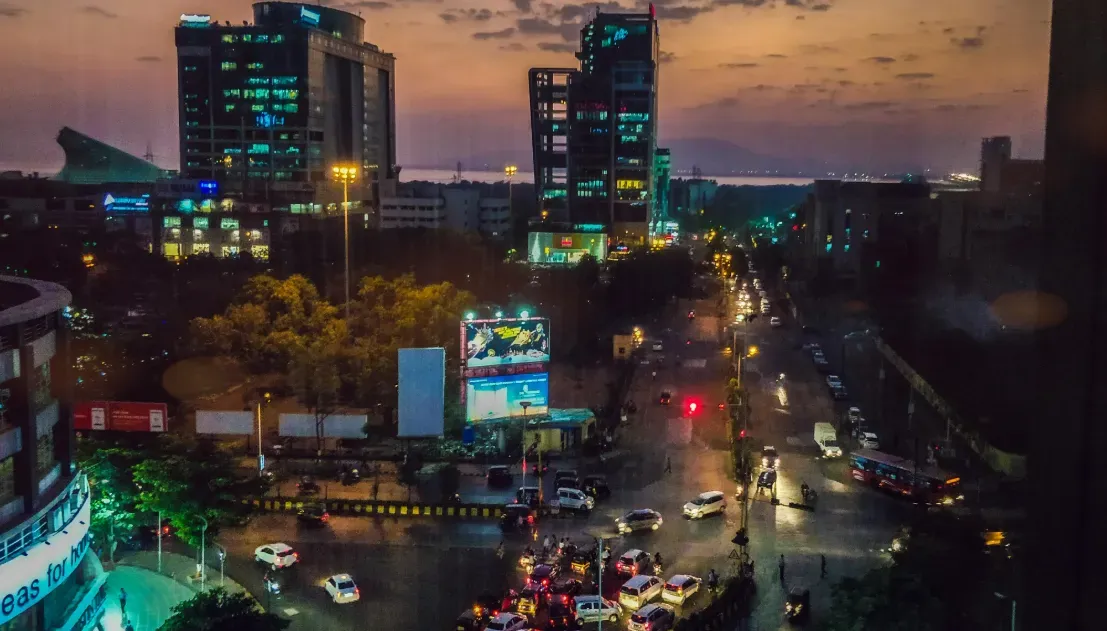
How Metro & Airport Connectivity Is Redrawing Navi Mumbai Property Map
Introduction

Navi Mumbai has long been envisaged as a planned satellite city, a relief valve for the population pressures of Mumbai. Yet until recently, relatively weak connectivity meant it remained under-priced in comparison. The narrative is changing fast. With the inauguration of the Navi Mumbai Metro (and further planned lines), and the 2025 opening of the much-awaited Navi Mumbai International Airport (NMIA), parts of Navi Mumbai are seeing a property-price surge reminiscent of a property boom.
In 2025, these infrastructure shifts are not just improving commutes, they are rewriting the real-estate map. This article explores how metro, airport and allied connectivity are influencing property prices in Navi Mumbai, which micro-markets are hottest, and what prospective homebuyers or investors should consider.
What Infrastructure Is Changing - At a Glance
- Navi Mumbai Metro: The first operational leg (Belapur–Taloja–Khandeshwar) became functional in late 2023. Additional lines are on the anvil as CIDCO aims to interlink major nodes. ([K Raheja Corp.][1])
- Navi Mumbai International Airport (NMIA): The greenfield airport was inaugurated in October 2025, with commercial operations scheduled to start in December 2025. ([Hindustan Times][2])
- Road & Connectivity Boost: Alongside rail and air connectivity, highways, road extensions and improved linkages (to Mumbai and Panvel) are enhancing accessibility for several suburban and peri-urban localities. ([gamigroup.in][3])
These developments are no small upgrades — they reduce travel times, improve ease of commute, and elevate living standards for residents. In real estate terms, this translates into higher demand, improved rents, and rising valuations.
How Property Prices Have Reacted — Data from 2024–2025
| Locality / Node | Price (₹/sq. ft., 2025) | Approx. 3-Year Change | Key Drivers |
|---|---|---|---|
| Ulwe | ₹9,000 – ₹12,000 ([GeeCee Ventures Limited][4]) | +40% in 3 years ([The Financial Express][5]) | Proximity to NMIA, Metro planning, new township development |
| Panvel | ₹9,000 – ₹13,000 ([GeeCee Ventures Limited][4]) | +30–45% in 3 years ([The Financial Express][5]) | Airport corridor, better road access |
| Kharghar | ₹12,000 – ₹18,000 (Golf-course/prime zones) ([GeeCee Ventures Limited][4]) | +20–25% in last 2 years ([GeeCee Ventures Limited][4]) | Metro connectivity, good civic amenities, balanced infrastructure |
| Taloja / Dronagiri / Emerging nodes | ₹9,000 – ₹11,500 (emerging zone) ([GeeCee Ventures Limited][4]) | +20–30% — speculative zones ([Nayeghar][6]) | Near airport corridor, early-stage developments |
Key Stats (2025 snapshot):
- Overall residential prices in Navi Mumbai range ₹9,000–16,000 per sq. ft. depending on locality and project quality. ([GeeCee Ventures Limited][4])
- Localities near metro corridors and the airport zone, notably Ulwe, Panvel, Kharghar have witnessed 20–50% price appreciation over the past 2–3 years. ([The Financial Express][5])
“Where connectivity arrives, property value follows fast and in Navi Mumbai’s case, the shift is already visible.” Real-estate analyst quoted in a 2025 study. ([perannum.money][7])
Why Infrastructure is Driving Demand - Anatomy of the Shift
1. Reduced Commute Time = Expanded Work Radius
Metro connectivity and the new airport network effectively bring distant nodes closer to economic centres. This reduced travel time makes locales like Ulwe, Panvel, Kharghar attractive not just to end-users but also to working professionals, airport staff, and logistics / commerce employees.
2. Early-Entry Opportunity for Investors
Investing before full maturity — when infrastructure is in mid-stage — often provides early-adopter advantage. As infrastructure completes, prices tend to increase sharply. 2025 has shown this phenomenon: several nodes with ongoing development are already seeing substantial demand and price appreciation.
3. Demand from Wider Buyer Spectrum
Improved connectivity attracts a mix of buyers: young professionals seeking affordable homes with good transit links; families wanting better space and amenities; NRIs scouting for second homes; and investors eyeing long-term capital appreciation.
4. Institutional Confidence & Inflows
With improved infrastructure and connectivity, institutional investors and developers are showing renewed interest. According to a 2025 report, Mumbai’s real-estate market (including Navi Mumbai) attracted USD 1.2 billion in institutional investments in the first nine months — the 4th consecutive year of billion-dollar inflows. ([Cushman & Wakefield][8]) This increases overall investor confidence, which in turn supports demand and prices.
Localities to Watch in 2025 - Winners from Infrastructure Wave
| Locality | Why It’s Hot | Investment Consideration |
|---|---|---|
| Ulwe | Closest residential node to NMIA — witnessing 40% rise in 3 years. Metro planning and township growth add to allure. ([GeeCee Ventures Limited][4]) | Great for 5–7 year horizon; choose well-developed projects to avoid risk. |
| Panvel | Airport corridor + road and rail links + commercial growth. ([Godrej Properties][9]) | Balanced mix of affordability and growth potential. |
| Kharghar | Metro-ready, established infrastructure, education hubs, green zones. ([GeeCee Ventures Limited][4]) | Good for both end-use and long-term hold. |
| Taloja / Dronagiri / Emerging sectors | Early-stage investment zone, lower entry price, adjacent to new infrastructure corridor. ([Nayeghar][6]) | High risk-high reward — suitable for investors with long-term horizon and risk tolerance. |
What to Watch Out For - Risks & Caveats
- Over-dependence on infrastructure timelines: Delays in metro expansion, airport operations, or link roads can delay appreciation. Always check project completion status.
- Speculative overhang in emerging zones: Earlier speculative surges may correct if demand doesn’t materialize.
- Quality of construction & amenities: As many developments rush to capture demand, project quality and delivery timelines matter. Do due diligence.
- Liquidity and resale demand: While core nodes (Ulwe, Panvel, Kharghar) enjoy healthy demand, fringe nodes may see slower resale or rental uptake until infrastructure fully matures.
What This Means for Buyers and Investors
- For buyers seeking end-use home: Choose nodes like Kharghar, Panvel or Ulwe — established infrastructure, good connectivity, manageable prices, and long-term growth potential.
- For investors seeking capital appreciation: Early-stage nodes (Taloja, Dronagiri) offer high upside — but only if you have a medium-to-long term horizon (5–10 years).
- For NRIs or professionals needing airport access & connectivity: Ulwe and Panvel offer a viable balance of affordability, access, and future potential.
- For risk-conscious buyers: Opt for ready-to-move or near-delivery projects in stable nodes; avoid speculative plots unless you're comfortable with risk.
Frequently Asked Questions
Q1. Has property demand really surged in Navi Mumbai after NMIA inauguration? Yes. According to multiple market reports in late 2025, residential demand in nodes like Ulwe, Panvel, Kharghar has spiked by 12–15% YoY, driven by airport-led optimism. ([GeeCee Ventures Limited][4])
Q2. What price appreciation can we expect over the next 3–5 years? Industry estimates project a 20–25% price growth over the next 5 years for micro-markets around NMIA, given completion of infrastructure and rising demand. ([K Raheja Corp.][1])
Q3. Which localities offer the best balance of price and connectivity today? Currently, Ulwe, Panvel, and Kharghar provide a good mix of relatively affordable rates (₹9,000–18,000/sq ft), improving infrastructure, and appreciation potential.
Q4. Is buying in emerging zones like Taloja or Dronagiri too risky? Emerging zones carry higher risk because much depends on timely infrastructure delivery and actual demand. If you have 5–7 year investment horizon and are comfortable with risk, it could pay off.
Q5. Will the airport increase rents in Navi Mumbai? Yes. With corporate offices, logistics firms, and airport staff moving in, demand for rental housing — especially in well-connected nodes — is expected to rise, pushing up rental yields.
Conclusion
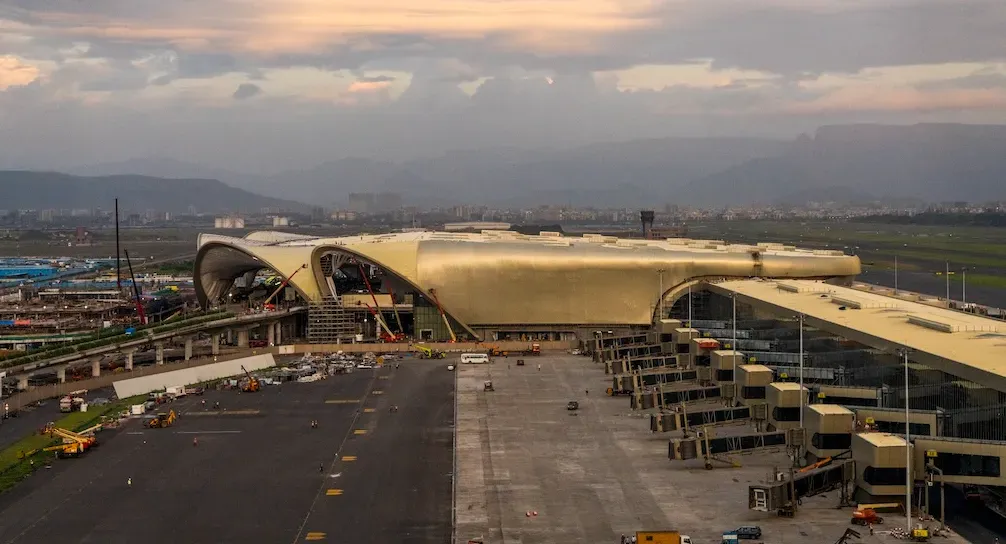
Infrastructure has always been the backbone of real estate value. In Navi Mumbai, 2025 marks a watershed year: the metro expansion is already operational, and the long-awaited airport is finally here. As commuting becomes easier, connectivity stronger, and economic activity grows, property prices across key nodes, especially Ulwe, Panvel, and Kharghar are surging.
For homebuyers, this is a window, a chance to buy mid-term before the full impact of infrastructure matures. For investors, it’s a call to balance risk and potential. Whether you’re looking for a stable home or capital appreciation, the new infrastructure-led real-estate landscape of Navi Mumbai offers both promise and caution.
Buy smart. Invest wisely. And give structure the benefit of time.
References
- “How Metro, MTHL & NMIA Are Creating Navi Mumbai Real-Estate Hotspots”, Housivity, Nov 2025 ([Housivity][10])
- “Navi Mumbai International Airport to boost realty, economy”, ConstructionWeekOnline, Oct 2025 ([Construction Week Online][11])
- “Property Price Trends in Kharghar & Navi Mumbai 2025”, GeeCee Ventures, Oct 2025 ([GeeCee Ventures Limited][4])
- “Real estate prices near Navi Mumbai airport go sky-high”, Financial Express, Oct 2025 ([The Financial Express][5])
- “Runway to Real Estate: How Navi Mumbai International Airport is Redrawing Mumbai’s Housing Map”, JLL Homes, Oct 2025 ([JLL Homes][12])
- “Mumbai Real Estate Crosses $1.2B Investments in 2025”, Cushman & Wakefield Q3 2025 Report ([Cushman & Wakefield][8])
- “Mumbai vs Navi Mumbai: Where Should You Invest or Buy?”, Sobha Realty analysis, Sept 2025 ([sobha.com][13])